Tag Archives: ARTICLES

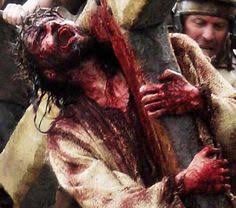
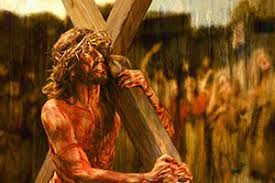
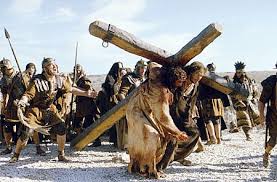
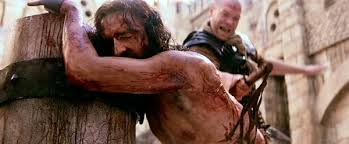
The death of JESUS CHRIST and its significance to humanity. Click to read more….

ARTICLE: THE DEATH OF JESUS AND ITS SIGNIFICANCE TO HUMANITY

“Christ suffered for you, leaving you an example that you should follow in his footsteps. He himself bore our sins in his body upon the cross, so that, free from sin, we might live for righteousness. By his wounds you have been healed.” (1 Pet 2:21,24).
Let us welcome the call of the Spirit: “Therefore, since we are surrounded by so great a cloud of witnesses, let us rid ourselves of every burden and sin that clings to us and persevere in running the race that lies before us while keeping our eyes fixed on Jesus, the leader and perfecter of faith. For the sake of the joy that lay before him he endured the cross, despising its shame, and has taken his seat at the right of the throne of God. Consider how he endured such opposition from sinners, in order that you may not grow weary and lose heart” (Heb 12:1-3).
Most Christians, if asked what makes them a Christian, would respond something like this:”I know that Jesus is the Son of God who died for my sins, and I accept His shed blood for my sins.”
While Jesus did die for us, is that all there is to this belief? Does the Bible tell us that there’s more to the story?

A sacrifice for humanity’s sins

Many Bible passages show why Jesus died for humankind. Let’s look at a few.
The apostle Paul wrote that we are to”walk in love, as Christ also has loved us and given Himself for us, an offering and a sacrifice to God for a sweet-smelling aroma” (Ephesians 5:2, emphasis added throughout).
To the Christians in Rome, Paul explained:”For all have sinned and fall short of the glory of God, being justified freely by His grace through the redemption that is in Christ Jesus, whom God set forth as a propitiation [atoning sacrifice] by His blood, through faith, to demonstrate His righteousness, because in His forbearance God had passed over the sins that were previously committed” (Romans 3:23-25).
Later in the same letter, Paul wrote:”But God demonstrates His own love toward us, in that while we were still sinners, Christ died for us . Much more then, having now been justified by His blood, we shall be saved from wrath through Him” (Romans 5:8-9).
To the Corinthian church Paul explained that God the Father “made Him who knew no sin [Jesus Christ] to be sin for us” (2 Corinthians 5:21). Here the clear implication is that Jesus took our guilt on Himself and paid the penalty for us by His death.
The book of Revelation opens by describing Jesus Christ as the One “who loved us and washed us from our sins in His own blood” (Revelation 1:5).
The apostle John also explained the reason for Jesus’ death:”If anyone does sin, we have an advocate with the Father, Jesus Christ the righteous; and he is the atoning sacrifice for our sins, and not for ours only but also for the sins of the whole world” (1 John 2:1-2, New Revised Standard Version).
A little later he explained:”God’s love was revealed among us in this way: God sent his only Son into the world so that we might live through him. In this is love, not that we loved God but that he loved us and sent his Son to be the atoning sacrifice for our sins” (1 John 4:9-10NRSV).
And also:”We have seen and testify that the Father has sent the Son as Savior of the world” (verse 14).
The apostle Peter confirmed this great truth, that Jesus Christ “bore our sins in His own body on the tree, that we, having died to sins, might live for righteousness” (1 Peter 2:24).
The prophet Isaiah wrote of the purpose of Jesus’ death centuries before it actually took place:”He was wounded for our transgressions, He was bruised for our iniquities; the chastisement for our peace was upon Him, and by His stripes we are healed” (Isaiah 53:5).
Scripture is very clear about the fact that Jesus had to die for all people of all time and for crucial reasons. He had to die because of human sin— yours, mine and everyone else’s.

Sin brought about Jesus’ death

The scriptures quoted above show the necessity of Jesus’ death—that it was required because of sin. Without sin, there would be no need for Jesus’ death, the shedding of His sinless blood.
Sin is the violation of God’s law (1 John 3:4). It requires a price to be paid because, as Romans 6:23 tells us,”The wages of sin is death.” Without some payment for that awful penalty, human beings would face oblivion through death with no hope beyond the grave .
The New Testament letter to the Hebrews states plainly that”without the shedding of blood there is no forgiveness of sins” (9:22, NRSV). One purpose for this letter was to explain that Jesus Christ was the very Son of God and that He gave His life’s blood for the remission—the forgiveness, the pardon, the penalty removal—of humankind’s sins.
The recipients of this letter were quite familiar with the Old Testament sacrifices that, as the epistle explains, foreshadowed the one holy sacrifice of mankind’s Savior:”He has appeared once for all at the end of the age to remove sin by the sacrifice of himself” (Hebrews 9:26NRSV).
Human beings must have their sins washed away, pardoned and forgiven, to be reconciled to God.”For if while we were enemies, we were reconciled to God through the death of his Son, much more surely, having been reconciled, will we be saved by his life” (Romans 5:10NRSV). Without reconciliation to God the Father, there could be no forgiveness of sins.
Hebrews 9:28 further explains that”Christ was sacrificed once to take away the sins of many people; and he will appear a second time, not to bear sin, but to bring salvation to those who are waiting for him” (New International Version). A sinless Jesus became sin for us as we’ve seen (2 Corinthians 5:21). He took on the sins of humankind to save us from everlasting death.

How sin began

Considering that sin is so terrible and destructive that we need a Savior to atone for us, just how did sin begin?
The archangel Lucifer, since known as Satan, was the first to sin against God, the first to break His laws (see Ezekiel 28:15-16). Ironically, Satan has since influenced the world to think that mankind was the first to sin. Adam and Eve did sin, but they weren’t the first to sin. Satan had already rebelled against God and was waiting there in the Garden of Eden to plant his lies in their thinking (John 8:42-44).
Eve and Adam were the first human beings to sin against God, and since then all human beings have sinned in like manner (Romans 5:12). Most people find it difficult to acknowledge sin; they simply act as if it didn’t exist. But sin is destructive. If God had not provided us with a solution, eventually it would destroy all mankind.
Today, God”commands all men everywhere to repent” (Acts 17:30)—to stop sinning, to cease from breaking His laws.
Since no human being can obey God’s laws perfectly without sinning, God extends grace to the repentant, pardoning them for their sins.

Law and grace go together

Most Christians today find it difficult to understand the relationship between God’s grace and God’s laws. The view most commonly held is,”If there’s something we must actually do to be forgiven, then grace is meaningless because grace implies that God demands nothing in return.”
There is some truth in this. Grace, God’s favor or good will toward us, is undeserved. It includes unmerited pardon or forgiveness of sins. That cannot be earned.
But God’s forgiving grace was never intended as a license to continue sinning.Paul makes this truth very plain:”What shall we say then? Shall we continue in sin that grace may abound? Certainly not! How shall we who died to sin live any longer in it?” (Romans 6:1-2).
Grace and law are inseparable, as the Bible clearly teaches. Since sin—the breaking of God’s law (1 John 3:4)—is to be removed, what would be the point of pardoning people from it just to allow them to continue to violate God’s law? This clearly makes no sense.
This also would be an utter contradiction of Paul’s teaching that Jesus Christ”gave Himself for us, that He might redeem us from every lawless deedand purify for Himself His own special people, zealous for good works” (Titus 2:14).
Grace, made possible through Christ’s sacrifice of Himself, allows us to be”redeemed”—to be bought back by God through Christ paying the price for our sins. But God’s grace (His free gift ) encompasses much more. It includes our being purified as God’s”own special people” through the gift of His Holy Spirit, making us”zealous for good works.”
Yes, grace, through Christ’s sacrifice, supplies the forgiveness that the law can’t give. But grace does not replace the laws of God, as Scripture clearly shows. Rather, grace gives us a new beginning, a chance to start life over in harmony with God’s teachings—which include the great spiritual principles embodied in His law. Indeed, grace includes God giving us the needed spiritual help to obey.

Who can receive salvation?

Many misunderstand grace. To think that God requires nothing from us except to believe that Jesus is the Son of God and that He died for our sins would deprive us of salvation—would leave us still in our sins!
Don’t take my word for it! See what your Bible has to say:”Likewise you also, reckon yourselves to be dead indeed to sin, but alive to God in Christ Jesus our Lord. Therefore do not let sin reign in your mortal body, that you should obey it in its lusts. And do not present your members as instruments of unrighteousness to sin, but present yourselves to God as being alive from the dead, and your members as instruments of righteousness to God.
“For sin shall not have dominion over you, for you are not under law [that is, under its punitive judgment for violating it, as they had been before they repented] but under grace. What then? Shall we sin because we are not under law but under grace? Certainly not! Do you not know that to whom you present yourselves slaves to obey, you are that one’s slaves whom you obey, whether of sin leading to death, or of obedience leading to righteousness?” (Romans 6:11-16).
Remarkably, many sincere people still believe that no changes are required of them to receive God’s gift of grace other than to believe on the name of Jesus and accept His shed blood for their sins. Paul’s words above show that is simply not true.
Perhaps the most popular and misunderstood scripture that focuses on the importance of Jesus’ death is found in John 3:16:”For God so loved the world that He gave His only begotten Son, that whoever believes in Him should not perish but have everlasting life.”
The last part of this verse,”that whoever believes in Him should not perish but have everlasting life,” has been only partially understood by millions of people. Many mistakenly assume that believing in Jesus means only believing in His identity and promises and that it does not include any reciprocal action on their part. Yet truly believing in Jesus is demonstrated by one’s actions. (See” What Does It Mean to Believe in Jesus? “.)
But the Bible tells us emphatically that to be saved we must repent of our selfish ways, turn to God in faith and believe what Christ tells us to do (Acts 2:38). Many professing Christians who believe on Jesus still don’t demonstrate their belief by living as Jesus instructs. As the Bible reveals, this initial, minimal level of belief isn’t what Jesus desires (Luke 6:46).
When a rich young man asked Jesus what it would take for him to enter eternal life, he got an answer that would surprise many today:”If you want to enter into life, keep the commandments” (Matthew 19:17).
Jesus also warned that”whoever therefore breaks one of the least of these commandments, and teaches men so, shall be called least in the kingdom of heaven; but whoever does and teaches them, he shall be called great in the kingdom of heaven” (Matthew 5:19).
Paul knew this truth, explaining that “the law is holy, and the commandment holy and just and good” (Romans 7:12). Therefore, God wants us to keep His laws in the spirit as well as in the letter—to genuinely grasp and apply their full intent. Salvation is only offered to those who are willing to strive to keep God’s commandments from the heart.
If you need further proof as to whether there’s anything more we must do than what is traditionally taught, go to the very end of your Bible. There it states,”Blessed are those who do His commandments, that they may have the right to the tree of life [for the gift of eternal life], and may enter through the gates into the city [the new Jerusalem, our ultimate destiny]” (Revelation 22:14).
The Bible shows that there is much more for you and me to do than simply accept the name of Jesus, call ourselves Christians and accept the shed blood of our Savior. God wants to transform our lives, to build in us His righteous character.
To be accepted by God, to receive that great blessing, which is a gift and can’t be earned, you and I must want to keep God’s laws because we respect and love them and have repented of breaking them. Then we must accept God’s grace for forgiveness of our past failure to keep His laws properly. And we must strive with His help to start obeying His laws, always repenting and asking for forgiveness when we fall short.

When do Jesus’ death applies to you

The death of Jesus Christ applies to you and me personally when we are drawn by God to understand His truths and we respond. If you’ve been called by God (see John 6:44), then you already recognize how Jesus’ death applies to you.
Accepting the death of Jesus must be accompanied by repentance— a change of direction from our old habitual sins. It also requires that we exercise faith (sincere belief) in what Christ has taught us. This means we will begin obeying God’s laws that can liberate us from our captivity to sin (Romans 6:11-23).
Yes, John 3:16 is true—we must believe in Jesus. But we need to fully understand what that means. The truth is that there is something for us to do, once we are drawn to God to understand His truth. We must know that our sins—yours, mine and everyone else’s—have necessitated the death of Jesus Christ, without which we would die permanently and be forever forgotten.
Jesus died in our place. We deserve death; Jesus didn’t. Anyone who sins deserves death (Romans 6:23). But God is merciful to us and has given us His Son to willingly take that penalty on Himself and die in our stead.
In response, He expects us to listen to His instruction, to obey His commands. This is what Jesus died for.
There’s more to the greatest story ever told! So be sure to read the following article,”Jesus Christ’s Resurrection: Leading the Way for Others,” to discover the rest of the story of His involvement in your salvation

Profitable For Instructions.

ARTICLE:
When fixing a car engine, any mechanic will attest, you have to use each and every gadget to facilitate it’s functionality. If the mechanic fails to use certain small bolts for joining different parts of the car engine, the engine will not work. He will have to dismantle everything and put every gadget in its rightful place from scratch. Can you fathom how a small gadget, can halt the functionality of a whole engine???
The same applies to our own bodies, if there is a certain part of the body aching, the entire body is never at ease. We take all the necessary measures to make sure, if we are experiencing a headache, we take medicine to relieve the pain which automatically makes the whole body well.
Using the above simple illustration, what is your understanding on God’s word, regarding every season of your life, while making life choices??Do you just rely on scriptures that seem to speak what you want to hear and ignore scriptures that challenge you, to do what God wants you to do, when faced with a tempting situation?Meditating,understanding and embracing God’s principles, which are laid out in His word, from the book of Genesis to Revelation is the only sure way of living a victorious life.
You know very well God in Deuteronomy 8:18 And you shall remember the Lord your God, for it is He who gives you power to get wealth, that He may establish His covenant which He swore to your fathers, as it is this day, however when God prospers the work of your hands, you ignore His command to tithe and assume Malachi 3:10 Bring all the tithes into the storehouse so there will be enough food in my Temple. If you do,” says the Lord of Heaven’s Armies, “I will open the windows of heaven for you. I will pour out a blessing so great you won’t have enough room to take it in! Try it! Put me to the test! is of the old.
You know very well God will bless the work of your hands in Deuteronomy 28:12 but what are your hands doing to gain wealth??When faced with a temptation to bribe in order to get a tender, a business deal or a job??Do you make a choice depending on what God’s word says or do you just ignore it because it does not suit what you really want??You shall not pervert justice; you shall not show partiality, nor take a bribe, for a bribe blinds the eyes of the wise and twists the words of the righteous. Deuteronomy 16:19

Please hear me out, we cannot separate the word of God and stick to what we want to hear!!! God breathed His life in each and every scripture, from Genesis to Revelation Each and every Scripture is inspired by God and is useful to teach us what is true and to make us realize what is wrong in our lives. It corrects us when we are wrong and teaches us to do what is right. God uses it to prepare and equip his people to do every good work. 2 Timothy 3:16-18

Whenever we ignore God’s instructions and read scriptures that do not align with what God is instructing us to meditate on a particular season, we are in real sense walking in disobedience .Maybe you are struggling with fornication, lying, adultery, bitterness, jealousy, gossip, malice, strife or worry but when God instructs you to meditate on scriptures that will convict and deliver you from such struggles, you simply ignore His promptings..

Let me use my own life experience, to bring this point home .Sometime back while having my daily bible study in the book of Psalms, most scriptures were really aligning with what I desired to hear, however on this particular day, i was to study Psalms 139 and God really provoked me In vs.23-24 Search me, O God, and know my heart; Try me, and know my anxieties; and see if there is any wicked way in me, and lead me in the way everlasting.

I had a lot of un-dealt issues in my heart yet i was not willing to be broken before God. Most of the times I was trying to impress God and He was like!!Beaty stop impressing me, am your Father who created you.You can’t pretend before me neither can you hide your motive ,why you are doing what you do. Honestly!!This was not what my flesh wanted to hear on that particular day but that’s exactly what God wanted me to read, In order to speak to my Spirit man, which led to my vulnerability before God. I have blogged about Trying to impress God and Simple Ways to study your Bible which I believe are good reads, to connect with this particular post.

My question to you on this post is, are you meditating on scriptures that suit what you want to hear and intentionally ignoring scriptures that provoke you to change or grow??

This is my challenge to you my beloved blog reader; pursue to have a clear understanding of God’s word, by meditating on scriptures, He instructs you to read, in all seasons of your life. Don’t just rely on what pleases you?Be after knowing the mind/heart of God and His will concerning every detail of your life..

Dear Jambite.

ARTICLE
Image result for academics

Dear fresher,
I am so happy you got into university. Whether it was your first choice, insurance choice or through clearing, you got into higher institution and that is a big deal. Well done! I want you to know that God has so much more in store for you where you are going. So much more than you ever thought or imagined.
Your university experience is what you make of it. First things first, find a church!  You do not have to settle into the first church you visit, but when you settle into one, be wholly committed to it. Find mentors and accountability partners within that body.

!Image result for church

Find a church
Also, do you know all the campus fellowships in your university? You can find them here. Follow the campus fellowships on social media, make sure you connect with them, and get involved in all their activities.

I am sure you have heard a lot advises from people. Some of them were just jokes and banter but you better take the rest of them seriously. People that have gone ahead of you made certain mistakes they wouldn’t want you to make which is what the hashtag is for. There is so much to learn from my blog.
A lot of young people started their business when they were in university. Thanks to student finance and the network of people that university exposes you to, you can turn your passion into a business that can provide extra income for you. Before I end this letter to you, I want to ask you, no, beg you to never depend on yourself. I know you have received a lot of advice and suggestions on what you should do or not do when you are in university but there is only so much you can do by your own strength.
You must have heard of all the things that get down in university and thought “I am super saved, well saved in fact and would never do any of that.’’ That is great, I thought the same too but never depend on your strength. Trust in the Lord with all your heart for every area of your life including how to manage your time, form relationships and stay above sin.
Flee from every appearance of evil !

Trust in the Lord with all your heart for every area of your lifeImage result for academics

Don’t think that because you have been saved before you got to university, you speak in tongues and prophesy you won’t be tempted. You may not do what others are doing like clubbing and drinking, but always check the condition of your heart. Strive to protect your purity at all costs and that can only be done by intentionally loving God and going into deeper intimacy with Him.
Even if you do not already have a relationship with God, know that God wants to have a relationship with you. Your uni space and time at university is a great opportunity to develop an intimate relationship with the Father who loves you.
No matter where you are in your faith, find someone you can be accountable to, but most importantly be accountable to the Holy Spirit. The Holy Spirit is the best accountability partner. He is always there, he doesn’t have double standards and he will always tell you the truth. Stay away from anything that would cause you to quench the Holy Spirit or affect your sensitivity to his voice.

The Holy Spirit is the best accountability partner.Image result for holy spirit
Again, do not depend on your own strength or ability, but depend only on God and allow the Holy Spirit to lead you in everything

I’m always praying for you. It is because of you that I created this platform in the first place. Feel free to contact me at anytime you have any questions or need someone to pray with you.
I pray that God will guard your heart. I pray that your purpose for going to that university will be fulfilled and you will not look back on any part of your university years with regret.
Love and Light,
Johnstone Kpilaakaa.

Image result for academics

*** This letter was first published on Lively Stones’ Blog
 ** It has been revised for Nigerian University students by me

Billy Graham’s New Home, by Franklin Graham


Franklin Graham wrote this op-ed piece which ran on USAToday.com on February 21, 2018.
My father never gave up on me, even when I caused him pain. He lived like the Gospel he preached—a message he repeated till his last breath.
My father has joined my mother in heaven. He went to sleep in his home in the beautiful mountains of North Carolina and woke up in the arms of Jesus. While many around the world mourn his physical death, he is now celebrating the eternal life he spent over 70 years telling millions of people about.
In the summer of 2005, he preached his final series of public messages to more than a quarter of a million people in New York City over three days. It would be his final live evangelistic crusade. That same year, a Gallup poll revealed that one in six American adults—35 million—had heard Billy Graham preach in person.
Since 1947, some 215 million people at more than 400 crusades, simulcasts and evangelistic rallies heard my father tell them, “The Bible says, ‘For God so loved the world that He gave his only Son, that whosoever believes in Him will not perish but have eternal life’” (John 3:16). Today, he is experiencing what he devoted a lifetime to telling others they could experience if they placed their trust in Jesus Christ.

Final Crusade

During that final crusade in New York, he spoke with a national magazine about death. “Do I fear death? No. I look forward to death, with great anticipation. I am looking forward to seeing God face to face. And that could happen any day” (Newsweek, July 4, 2005).
Well, that day has come, and while I miss him (and my mother) dearly, I take great comfort in knowing I will see him again.
The man the world knew as Billy Graham was always “Daddy” to me. I was well into my teens before I fully comprehended that my father had a household name and a worldwide ministry. He was home a few days, then gone for weeks—sometimes months. Had it not been for my mother’s cheerful attitude and spiritual strength, his absence may have had a devastating impact on me. Her eyes flickered like the flames in the fireplace as she described Daddy’s travels, crusade meetings and people he met from all walks of life.
His homecomings were always a big deal. We waited eagerly at train stations and airports watching for his long legs to step onto the railway platform or airport tarmac. Other times, we ran to the driveway when we would hear the car coming up the mountain. My three sisters, brother and I would tackle him, but he always managed to scoop us up into his loving arms, letting us know how much he had missed us. Then, he would turn his attention and affection to the woman he loved—and who shared her life with him for 64 years. Those were happy times.

My Time with Daddy

On most Sundays for the past 20 years, I have driven an hour-and-a-half to have lunch and spend the afternoon with my father. I’ll forever cherish these special times we spent together. But there was a time when our relationship wasn’t so good, a time when I caused my mother and father quite a bit of anguish and heartache. During my teens and early 20s, I proved to be anything but what most people expected Billy Graham’s son to be. I’m so thankful he never gave up on me or quit loving me.
After graduating from college in 1974, I headed for Lausanne, Switzerland, to work at a conference the Billy Graham Evangelistic Association was sponsoring for 2,500 evangelical leaders from around the world. My life was a mess; I was empty and lonely. During that conference, my mother and father wanted to take me to lunch to celebrate my 22nd birthday. After lunch at a little Italian restaurant on Lake Geneva, Daddy and I walked along a pathway beside the lake when he turned to me and said, “Franklin, your mother and I sense there’s a struggle going on in your life.” Somewhat stunned, I wondered, “How does he know this?” He continued, “You’re going to have to make a choice either to accept Christ or reject Him. You can’t continue to play the middle ground.”
With my mind racing, wondering what he was going to say next, I heard these words: “I want you to know we’re proud of you, Franklin. We love you no matter what you do in life and no matter where you go. But you’re going to have to make a choice.” He had pricked my conscience to the point I was actually angry. I couldn’t figure out how he knew about the struggle that had been going on inside me—but he did, and he was right.
My father’s words haunted me for several weeks until I finally gave up running from God and made that choice to accept Jesus Christ as my personal Savior and turn my life over to Him. I’ve never looked back or regretted my decision.
About 20 years after our life-changing walk along Lake Geneva, my father told me something else that would alter my life in another way; he asked me to assume the day-to-day management responsibility of the organization that bears his name. I’m at least smart enough to know I could never fill Billy Graham’s shoes, but I’m grateful he gave me an opportunity to help him finish his race on earth well, and to continue his life’s work.

Proud of My Father

I don’t know that I’ve ever been more proud of my father than the sunny day in May 2007 when 1,500 people, including three former American presidents, turned out to help us dedicate the Billy Graham Library in his hometown of Charlotte, N.C. (He joked to the crowd that he felt as if he were attending his own funeral!) Seeing him standing in front of the 40-foot-high glass cross that serves as the entrance to the Library, I thought about something he once told British TV personality David Frost in an interview: “Well, I’m going to heaven,” he said, “not on my good works or because I’ve preached to all these people or read the Bible. I’m going to heaven because of what Christ did on the cross.”
Billy Graham’s message of the cross never changed since he preached it at his first crusade—to an audience of 6,000 at the Civic Auditorium in Grand Rapids, Mich., in 1947.
Many books have been written by my father and about him. For more than six decades, authors, reporters, scholars and observers have scrutinized his life and commented on it for the public record. But the purpose of Billy Graham’s life is captured in a single paragraph found at the end of a little book a number of years ago.

A Final Word

Following that final New York crusade in 2005, a well-known publisher released a book with the entire text of his three sermons at Flushing Meadows Corona Park. They invited him to write some closing thoughts for the book, which filled just two pages under the heading, A Final Word from Billy Graham:
“No matter what your problem is,” he wrote, “if you and I could sit down and talk, I would want to tell you one great truth: God loves you, and He can make a difference in your life if you will let Him.
“God loves you so much that He sent His Son into the world to die for your sins. When we open our hearts to Christ, He forgives our sins and comes to live within us by His Holy Spirit. He also gives us strength for the present and hope for the future. This is the message of the Gospel—and this is the message you have read in this book.”
If my father could speak or write to us today, he would say the same thing. It was what he lived and breathed—until his very last breath.
Franklin Graham, the son of Billy Graham, is the president of the Billy Graham Evangelistic Association and Samaritan’s Purse.

BEHIND THE RUBIES:Walk In God’s Peace, How?

Practical Steps You Can Take

As singles, couples, moms or dads, we all face the temptation to be anxious about circumstances, loved ones and the future. But the Bible teaches that we can walk in God’s supernatural peace because we are in Christ Jesus. Jesus Himself is our Peace. We can resist the temptation to give in to worry. We can choose, instead, to abide in God’s wonderful peace.
Peter the apostle wrote, “[Cast] the whole of your care — all you anxieties, all your worries, all you concerns, once and for all — on Him; for He cares for you affectionately, and cares about you watchfully.” There are three truths we can glean out of this one verse:

God never intended for you to carry your own burdens.

He wants to carry them for you.

You have to do something when it comes to worry.

You have to cast worry off of yourself and trust God with your problems. It takes humility to say, God, I give this problem to You because You can take care of it much better that I can.

God You need to understand the Father’s loving care for you as His child.

Only then will you fully release the weight of each problem to Him. Worry, like other negative thoughts, is actually a thief — stealing our peace, energy, time and joy.
Many years ago, after a tragic situation, I was bombarded by negative thoughts almost 24 hours a day. But then I came to my senses and realized that I needed to take control of those thoughts. It seemed like such an impossibility at first, but I decided to do it one thought at a time.
Each time I had a negative thought, I pulled it down through prayer. I said, I pull that thought down, make it obedient to Jesus and refuse to dwell on it. I will believe what the Word of God says about me instead. I will come out of this situation in victory!
When I first started this, there was a storm in my mind constantly, but after a while, my mind became calmer. Every day it got better, until one day I realized that I was completely free in my thought life concerning that situation.
The same can be true for you. Determine today that you are not going to allow worry to control your life, but that you will believe God for His victory so that you can walk in His supernatural peace.

BEHIND THE RUBIES: How To Establish A Daily Quiet Time.

You Can Benefit from Time Spent with God

All of us, whatever our age or stage of life, can benefit from time spent with God, so I encourage you to develop a daily quiet time with the Lord. If we’re not careful, we find ourselves hurrying through prayer and reading God’s Word to get to the “important things,” but really, there is nothing more important than this.
Scripture tells us that Jesus longs to have fellowship with us. We have an open invitation from Him. The apostle John said that our fellowship is with the Father, and with His Son Jesus Christ. Jesus Himself said “Come to me, all who are weary and heavy-laden, and I will give you rest.” When we spend time with the Lord, we learn from Him. Students learn in the presence of their teacher, and we learn in the presence of ours. Just being in church once a week is not enough. When we refresh our spirit every day by spending time in His presence, our whole being is affected in a positive way.
PrayingIs there a good example for this? There is. It’s Jesus Christ. As He walked this earth, He sought to spend time with God the Father. He spent time in prayer. He spent time alone with God — away from even His closest disciples and family. He consistently met with God, sometimes in the morning, sometimes in the afternoon, and sometimes in the evening. He pulled away from the demands of ministry and deliberately maintained intimate contact with the Father. And He told His followers to follow His example: I am the Vine; you are the branches. Whoever lives in me and I in him bears much (abundant) fruit. However, apart from Me [cut off from vital union with Me] you can do nothing.

How do we do this?
I believe there are four things that will help us:
1. Remember that spending time with God is not about ritual, but relationship
When you and I were born again, we entered into a relationship with Almighty God. He is not only our God, he is our Heavenly Father. We have freedom before Him, and access to His throne. We don’t have to be afraid of Him. Rituals might be burdensome, but relationships with loved ones rarely are. Spending time with one that you love is exciting and life-changing — and that’s how your daily time with your Father God should be.
2. Establish a specific time every day when you will spend time with the Lord.
Don’t you find that what gets scheduled usually gets done? I do. Find a time that works with your lifestyle and your family demands, then stick to it! Make it a top priority. That’s how habits are developed. Persevere even when you are tired, and don’t feel like it. Remember, we’d never get anything accomplished if we lived by our feelings alone!
3. Minimize your interruptions.
When you’re spending time with God, give Him all of your attention. Turn off the telephone and the television. Find a nice, quiet, cozy spot where you are comfortable. If you have children, teach them to respect your privacy during this time, and explain to them that this is your time with God. Then they will learn the importance of a daily quiet time, and you’ll reinforce its importance in their eyes, too. Pray that they will follow your example, and encourage them to do so.
4. Choose a Bible version and a Bible-reading plan.
This is so important — especially for new Christians. Ask a pastor or friend to help you select a good translation. I like the New International Version or the New Living Translation. Doing a little research to find the right translation for you will help you in the long run. Then get a reading plan. Don’t just open the Bible and randomly skip around. Again, ask a pastor or a friend to help you select a reading plan if you’re not sure. Balance your reading between the Old and New Testaments. The Old Testament is rich in history and knowledge — and the New Testament presents the story of Christ and the birth of the church. Both are so valuable — and reading one will help you understand the other.
5. Interact as you read.
The Bible is a living book, written by a living God. As the Holy Spirit to give you understanding, wisdom and revelation as you read. Read the Bible as if it were a love letter, because it is — it is God’s love letter to you! Pray as you go. Take notes, and don’t be afraid to mark scriptures in your Bible itself. Interact with your Bible, and ask God to use it to change your heart and life.
All of these things are important, but the most important thing you can do is to begin — and that you can do today!

BEHIND THE RUBIES: Miracles Out Of Mistakes

The story of Ishmael in the Bible is complicated. Abraham and Sarah had God’s promise of a son, but in their impatience took matters into their own hands, and Abraham had this baby with Hagar, Sarah’s maid. Ishmael was a mistake, bringing extreme strife and dysfunction to the home. Yet God spoke to Abraham that even though it was a terrible mess, “I will make Ishmael extremely fruitful and multiply his descendants. I will make him a great nation” (Genesis 17:20). And amazingly, it was descendants of Ishmael who came along at the right moment and kept Joseph, Abraham’s great grandson, from dying in the pit when his brothers betrayed him (see Gen. 37). What am I saying? The mistake of Abraham became the miracle of Joseph, who helped save the rest of their family. That’s how amazing God is. He knows how to bring good even when we fail.
We all have some Ishmaels. We all have times when we blew it, got involved in things that we shouldn’t have, and made a mess. We think, Too bad for me. This is what I deserve. The accuser constantly whispers, “You’re a shameful failure. God’s never going help you.” Don’t believe those lies. God is full of mercy. He doesn’t turn His back when you make mistakes. Just the opposite. He’ll not only help you clean up the mess you made, He’ll take it one step further and make miracles out of those mistakes. The apostle Paul said it this way, “And we know that all things work together for good to those who love God” (Romans 8:28). “All things” means even our mistakes, even the times we blew it and got off course, God knows how to work it for our good.
You may be in a complicated situation that seems as though there’s no way out. There are other people involved, different personalities, legal circumstances. But here’s the beauty: God knew you would mess up before He called you. He didn’t base His plan for your life on you making perfect decisions. God has a plan even for your mistakes and failures. God has it all figured out. His ways are better than our ways. God is saying, “I’m going to correct those complications. I’m going to cause good things to work out that you could never make happen on your own. I will make miracles out of your mistakes.”

CHRISTIAN MUSIC INDUSTRY- A VIVID HISTORY OF HOW IT ALL STARTED-4WARDGOSPEL


CHRISTIAN MUSIC INDUSTRY

The Christian music industry is a small part of
the larger music industry, that focuses on
traditional Gospel music, Southern gospel,
contemporary Christian music, and alternative
Christian music. It is sometimes called the
gospel music industry , although this designation
is not a limitation on the musical styles
represented.
Christian artists generally use secular styles,
pairing them with lyrics that display faith and
spirituality to varying degrees. Generally
speaking, the industry is influenced by
mainstream culture. Musical trends, for instance,
follow those of the secular scene, though usually
a few years behind. [1][2][3] The Christian music
industry carries the distinction of being the only
music subculture whose content is labeled by its
lyrical dimension rather than its
music. [citation needed ] Still, music within the
industry is sold by its musical style rather than
lyrical content.
Christian music’s critics point to the divergent
interests of commercialization and ministry,
which have, according to some, polar opposite
goals. Aspects of Christian music have long
struggled to gain general acceptance, even
within the Christian community. What some see
as secularization and a lacking of direct
theology, others see as artistic ministry. This
opens up questions of the definition of “Christian
music” that have lingered over the industry since
its inception.
The Christian music industry experienced
tremendous growth in the 1990s. Christian
music sales grew to exceed those for classical,
jazz, and new age music. [4] Even so, the
Christian music industry has experienced the
same issues as the general market in recent
years.
History
The contemporary Christian music industry has
roots in the late 1960s and early 1970s Jesus
Movement and its Jesus Music artists. The
Encyclopedia of Contemporary Christian Music
points out three reasons that the Christian music
industry developed as a parallel structure to the
general music industry. [5] First, the Jesus
movement produced a large number of bands in
a very short period, which the general market
was unable and/or unwilling to absorb. [5] This
was in part due to a lack of appreciation for the
ideology expressed by such artists. [5] Finally,
Jesus music artists tended toward mistrust of
secular corporations. [5] According to another
critic, the industry in this period was defined by
four characteristics: lack of audience
acceptance for styles, inferior production,
inefficient distribution, and lack of wide radio
exposure. [3] Petra , for instance, struggled to
find an audience for their hard rock sound,
partially due to limited distribution to Christian
bookstores. [6]
Even so, the 1970s saw established corporations
become involved in the Christian music market.
Word Records , founded in 1951, was bought in
1976 by ABC.[7] Other music industry giants also
got involved, CBS started a short-lived Christian
label, Priority Records, and MCA also fielded a
label, Songbird Records, for a time.
While the Jesus movement had ended by the
1980s, the Christian music industry was
maturing and transforming into a multimillion-
dollar enterprise. The early 1980s saw an
increase Christian booksellers taking product,
and an increase in sales followed, despite the
recession. [6] As a percentage of gross sales,
Christian music rose from 9% in 1976 to 23% in
1985. [6] By her 1982 release Amy Grant had
saturated the Christian marketplace and made
significant inroads into the general market. [6]
Sandi Patti and Michael W. Smith also gained
influence within Christian music, each playing
significant roles in the development of the
industry. [6]
Harder forms of Christian music, such as heavy
metal , also began to gain acceptance. This is
largely credited to Stryper , who had begun
making inroads into the general market by
1985. [8] Still, rock and alternative acts faced a
longer battle for acceptance than contemporary
acts, as the form was opposed by prominent
religious leaders such as Jimmy Swaggart and
others on the Christian right .[9][10] While in
1981 total gospel music industry revenues were
approximately $180 million, only ten years later
they would total $680 million, according to CCM
Magazine. [11]
RIAA sales, 1995–2000
Year % $ Source
1995 3.1 381 [12]
1996 4.3 538 [12]
1997 4.5 549 [13]
1998 6.3 836 [13]
1999 5.1 744 [14]
2000 4.8 688 [14]
Notes
Percentage figures out of
total music market.
Dollar figures in millions.
RIAA figures often differ
from those reported
by Nielsen SoundScan .
These figures represent
only revenue from album sales,
and exclude other sources.
According to RIAA data, market share for sales
of Christian music albums more than doubled
between 1993 and 1997. [15] In the 1990s the
Christian music industry became the fastest
growing segment of the music industry. [15] This
was due to several factors, including
consolidation of record labels, and independent
Christian bookstores into chains. [6]
The Christian music industry began adopting
SoundScan in 1995, although implementation
was spotty even into the millennium. Even so,
the adoption caused the visibility of Christian
artists to increase significantly, and brought
credibility to the industry as Christian albums
became integrated into all Billboard charts. [6]
[16][17]
In 1985, 90% of Christian music sales originated
at Christian bookstores. By 1995, that number
had dropped to 64%, with general retailers taking
21%, and the remainder accountable through
other methods, such as direct mail. [6] At that
same time, the industry was estimated to gross
$750 million, with $381 million in album
sales. [18] In the late 1990s, general market
retailers, especially big box stores such as Best
Buy, Wal-Mart , Target , and Blockbuster began
carrying a wider selection of Christian music
products. [19] By 2000 those stores had
surpassed Christian retail in terms of the number
of Christian albums sold, according to
Soundscan numbers. [20][21] This phenomenon
was partially responsible for crossover
successes. P.O.D. , for example, sold 1.4 million
albums in 2001, although sales at Christian retail
outlets accounted for only 10%. [20]
The new millennium has brought challenges for
the record industry as a whole, and these have
affected the Christian music industry as well. [22]
Contemporary worship music , a long time staple
of the industry, began to gain significant market
share in about the year 2000. [23][24] By
focusing on marketing worship music to youth
culture, this genre became a growth driver
despite the downturn in the general music
industry. [25][26][27][28]
Growth continued until about 2003,[26] but has
generally followed the trends of the larger music
industry since that point. In 2009 a The New
York Times op-ed placed the entire music
industry on a “deathwatch,” [29] pointing out that
new forms of media, piracy, and new pricing
options are driving gross sales down. In another
example of parallelism, the Christian music
industry has experienced largely the same
phenomenon. In the Christian marketplace,
music consumption has risen by as much as
30% since 2005, but overall album sales have
dropped to about half of their 1999 levels.[22]
However, some critics point out that the current
downturn may have long term positive effects
for the industry. John J. Thompson told
Christianity Today that “The lack of monetary
benefit has filtered out some of the people who
should not have been doing this in the first
place. If the people who are in it for the money
are gone, it leaves more turf for those who had
something a little bit loftier in mind.” [22]
Criticisms
“Ghetto” assertion
Christian music is sometimes cited as a
“ghetto,” [3][30][31] meaning that the majority of
artists in the industry are pigeonholed to operate
solely in it. These artists are isolated from the
mainstream public, to Christian media, including
radio, magazines, and book stores. For many
this is a conscious choice, however others, not
content to stay in an isolated industry segment,
attempt to “cross over” and gain acceptance in
the general market. For many artists, being
called Christian becomes a stigma. [32]
Name recognition in Christian music
Artist Familiarit
Amy Grant 70
67
BeBe and CeCe
Winans
43
13
Sandi Patty 42
13
Carman 33
9
Michael W. Smith 30
10
dc Talk 26
11
Steven Curtis
Chapman
26
6
A 1997 survey looked at familiarity with “well-
known” Christian artists. Self-identified Christi
music listeners in are shown in green, and the
general public in red. [33]
A 1997 study revealed that a self-identified
audience of “Christian music listeners” had what
was considered a lacking recognition of
Christian artists. [33] The survey was
commissioned by the Christian Music Trade
Association and Z Music Television . The study
looked at several artists including Amy Grant ,
BeBe and CeCe Winans , Carman, Steven Curtis
Chapman , dc Talk , Sandi Patty, and Michael W.
Smith. At the time of the survey, each of these
artists was active in Christian music and had
been so for at least nine years, was a multiple
Dove Award and/or Grammy Award winner, and
had albums certified Gold or higher.
Even so, the survey found that the Christian
music audience was no more familiar with
artists in the field than they were with Hootie &
The Blowfish , a popular act at that time. The
study concluded that the word “Christian” was
the problem, causing a stigma. “It’s the label, not
the music, that dissuades,” one Christian music
executive was quoted as saying, agreeing with
the survey. [33]
Another aspect of the “ghetto” is that some
artists have trouble gaining audience with
Christians due to their non-conservative
image. [34] Stryper is a well-known example.
Stryper received large amounts of criticism from
groups on the Christian right, who argue (among
other things) that their image as rock stars
contradict their espoused faith. One critic wrote
that the marriage of secular and religious
elements in “Christian music” “violates all that
God has commanded in the Bible about
separation .” [35]
The “ghetto” has several effects, critics point
out that the audience of such artists are often
already Christians, thus limiting the impact of
any supposed “evangelism.” [36] Another is that
artists sometimes have trouble appealing to and
maintaining both secular and religious
audiences. For example:
One Jesus music artist, Randy Matthews, ran
into trouble at an early Christian music
festival after announcing an upcoming tour
with Lynyrd Skynyrd and ZZ Top.[37] The
crowd, also reacting to his electric musical
style, chased him off the stage, pronouncing
him to be demon or drug possessed. [37][38]
Matthews was later dropped from the tour.
After Bob Dylan announced his conversion to
Christianity in 1979, he released three albums
widely cited as being based on his newfound
faith.[39] Dylan spent several years touring
and preaching from stage, though he never
became a part of the “Christian music
subculture.” [39] The result, as one critic
bluntly puts it, was that “It didn’t work.
Christian music fans were characteristically
suspicious of Dylan’s failure to leave the
world behind and become a part of their little
ghetto, and the world at large tired quickly of
paying money to hear him sing about
religion.” [39] By 1981, Dylan had dropped the
explicit religious references; both critics and
audiences returned his music to acclaim.
While commonly cited as the father of
Christian rock, Larry Norman struggled to
gain acceptance from the Christian music
industry, and was largely estranged from it
for his career. [40][41] His 1969 solo debut
has been described by secular observers as
“perhaps the first truly accomplished and
relevant Christian rock testimony ever
recorded,” [42] and 1972’s Only Visiting This
Planet became one of the most revered
albums of all time in Christian music. Even so,
Norman became, according to CCM “so far
outside the mainstream that most of today’s
Christian music fans have no idea who Larry
Norman is.” [43]
The problem, as summed by one critic, was that
the music was too religious for secular
audience, while simultaneously too aggressive
for religious audiences.[30][31] One critic
describes the situation, stating that for a band
“to be taken seriously outside the Christian
scene, a band must stay far, far away from that
scene.” [44]
Mutemath, for instance sued their record label
with the goal of removing their product from the
Christian market. Their first release sold almost
30,000 copies, with “bulk of sales coming from
the Christian market,” according to Billboard. [45]
The band had been placed in the Christian
market by their record label largely because
their lead singer, Paul Meany, was previously
with the band Earthsuit, whose only major label
release was released on a Christian label .
This caused the band to not get taken seriously
by music critics, and by the release of their full-
length album the band began expressing
discontent with their situation. [46] Meany told
Tucson Weekly “…we began to see ourselves
getting pigeonholed into this particular world that
we weren’t necessarily proud to be associated
with… We’re not trying to preach through our
music; we don’t have some kind of evangelistic
agenda with what we’re doing… You know, you
don’t want to be ashamed of your faith and your
beliefs, but you don’t want to be marketed by
that, either.” [46]
On the other hand, some artists operate solely
within the “ghetto” of Christian music, and find
great success in doing so.
Downplayed religious content
An early Christian record label, Lamb & Lion
Records (founded by Pat Boone ) reported in
1978 that it was their goal to produce crossover
artists, but they were limited by lack of
distribution to the secular marketplace. [47] Both
problems affected Christian labels into the
1990s. [36] “Since people don’t understand [the
term] ‘ the Blood of Jesus, ‘” stated a manager
for Lamb & Lion, “…music that communicates
must approach it another way. We’ve got to
present a subtle but sensitive Christian
message.” [47] Lyrics with subdued religious
content have become commonplace in the
industry; One critic points out that the secular hit
” Spirit in the Sky” “has more explicit religious
references than do many recent Christian radio
hits.” [48]
Some critics have alleged that CCM often uses
“minimal direct theology,” and promotes a
“Jesus is my boyfriend” image of God.[6] Using
downplayed religious content in lyrics has
allowed some artists to “cross over” and make
significant impact into the general market. Some
Christian bands are able to do this while
maintaining their identity in the Christian market.
For example, MercyMe, whose double platinum
album Almost There produced the Christian and
secular chart hit ” I Can Only Imagine .” However,
the lyrics of the single, while Christian in nature,
contain what one critic calls “rather vacuous
theology.” [30]
Sometimes “crossing over” creates ambiguity
over whether an artist is Christian (a “Christian
band”), [31] or the artist is composed of
Christians and produces music that appeals to
Christian music fans but doesn’t cater to the
Christian market (“Christians in a band”). [31]
Such artists are:
Chevelle, whose debut album was released to
Christian music markets, received three Dove
awards .[49][50] However, the band is not
generally considered to be a “Christian band”
today. On that topic the band states “We
originally signed with a record company that
was backed by Word (a Christian label
housing John Tesh and Amy Grant ), so the
record was in Christian bookstores. It was
really an accidental thing.”
Project 86 has sometimes been labeled a
“Christian band”, although the band itself
eschewed the label. The band considers its
art to be the best conveyance of their
message. [51] Frontman Andrew Schwab has
offered several statements on the topic.
“We’re not going to go in there and say ‘Hey
we’re the Christian band. We’re going to carry
ourselves like a normal band. Hopefully
people will like our music and investigate into
the band […] and they will learn our
beliefs.” [52] “If we’re playing at Ozzfest or on
Family Values…,” the band told 7ball after the
release of their second album, “there is a
greater level of tact necessary in order to
reach that sort of audience.” [53] In a 2007
interview, Schwab further opined “We always
tell people that the goal has been to just write
music that we love, and write music hopefully
that is challenging and inspiring to people and
doesn’t sound like everything else out
there.” [54]
Switchfoot is often referred to as a “Christian
band”, mostly due to their involvement with
the Christian rock scene in their early days.
But the band has always shunned this label:
“For us, it’s a faith, not a genre,…” says Jon
Foreman. “…these songs are for everyone.
Calling us ‘Christian rock’ tends to be a box
that closes some people out and excludes
them. And that’s not what we’re trying to do.
Music has always opened my mind—and
that’s what we want”. [55] Duly, Foreman’s
lyrics steer clear of preachiness, exclusive
declarations of faith, or even any mention of
Jesus Christ, instead questioning the status
quo , probing existential issues through
“Socratic dialogue” [56] in which he answers
questions with more questions, exploring
frustrations, or simply being inspirational.
Even so, this position has not alienated their
Christian fans. As in their indie days, they are
still distributed to Christian retail outlets
through Sparrow Records, featured on
Christian radio and charts, and presented
Dove Awards, even after having been signed
to the mainstream Columbia Records. Spin
writer Andrew Beaujon takes the view that
“their lyrics often have two different
meanings, one meaning for a Christian
audience and one meaning for the rest of us.
They try to relate to two different groups of
people at once”. [57]
In video
The trend continues when examining religious
videos. Many Christian bands produce videos
with rotation on MTV in mind, however, the
images can lead to an ambiguous impression of
the portrayal.
In 1982 MTV featured two videos, “Constantly
Changing” and “It’s Mad” (which was the first
one to be featured), made by the Swedish
Christian rock band Jerusalem to promote their
1981 release Warrior . [58] DeGarmo and Key
was the first Christian band in the US whose
video appeared on MTV, made a video for their
single “Six, Six, Six” off their 1984 release
Communication. While the video was shown on
MTV for a short time, it was subsequently pulled
for a scene which depicted the Antichrist
engulfed in flames, which MTV described as
“senseless violence.” [59] Eventually the video
was re-edited for MTV—however, the unedited
version continued to play in Christian bookstores
and on Christian television networks, like Trinity
Broadcasting .[60] The video received a Dove
award in a category created specially for it,
“Gospel Music Visual Song” in 1985. [60]
Another artist, Brian Welch, whose solo debut
was released to Christian markets, found their
album pulled from some Christian bookstores
after the music video for “Flush” was
released. [61] The video is an interpretation of
the authors personal experience with
methamphetamine , before his religious
conversion. At the time the album was pulled,
Brian Welsh released a statement about the
visual content of the video, relating its
symbolism to his personal experiences of
addiction and redemption. He also issued the
following statement: “The video for ‘Flush’ is
about crystal meth addiction and the crazy
things anyone addicted to meth will do while
they’re high or to get their fix. Everything the
models were doing in the video is what I was
wrapped up in while I was addicted to meth… I
believe I would be dead right now if I continued
using meth, but instead, I chose to surrender my
life to Christ and die to myself so He could share
His resurrection with me… There is a huge
message of hope on my CD and I believe those
retailers that are pulling the CD from their
shelves are robbing someone spiritually by
taking it off of the shelves.” [61]
Classification of videos on Z
Music by content [62]
A study of visual elements of Christian music
videos on Z Music Television , a now defunct
MTV-like channel for Christian music, found that
almost one third of the channel’s videos could be
described as “Ambiguously Religious” at best
(red area, right). [62] The conclusion was that the
channel’s programming was designed to make
its Christian nature “apparent only to those
willing to listen for it.” [62]
Other arguments
Some critics describe the Christian music
industry as being committed “to the goals and
strategies of the commercial marketplace –
industrial growth, increased market share, and
greater profits.” [3] This became more apparent
in the 1980s and 1990s as the largest Christian
record labels became subsidiaries of the
“mainstream” labels (who are themselves owned
by huge media conglomerates like Viacom and
Time Warner ). [31][32] Others see the industry
as taking on the roles traditionally reserved for
the church. Concerts are the equivalent of
religious services, and commodities symbols of
faith. [63] Under these conditions “evangelism
becomes rhetoric—justifying the propaganda
value of the industry’s work – not spiritual
reality.” [63] One critic comments that “perhaps
the ‘ghettoization’ and parallel institutionalism of
CCM manifests itself nowhere more apparently
than at numerous Christian rock festivals .” [30]
See also
List of Christian media organizations
Christian Copyright Licensing International
Gospel Music Association
References
1. ^ Powell 2002, “dc Talk” p. 239. Quote: “Of
course the Christian market was a few years
behind the rest of the world… it always
is.” [original emphasis]
2. ^ Urbanski, David (July 1997). “One Crazy
Summer”. CCM Magazine. 20 (1): 24–32.
ISSN 1524-7848 .
3. ^ a b c d Forbes 2000, “Evangelicals and
Popular Music: The Contemporary Christian
Music Industry” pp. 105–109
4. ^ “GMA Industry Overview 2008” (PDF).
Christian Music Trade Association.
5. ^ a b c d Powell 2002, “Introduction” pp. 9–
13.
6. ^ a b c d e f g h i Cusic 2002 , Part Four, pp.
279–386
7. ^ Mount, Daniel J. (2005). A City on a Hilltop?
The History of Contemporary Christian Music .
p. 50. Archived from the original on February
3, 2007. Retrieved 2007-02-12.
8. ^ Hale, Mark (1993). “2869”. Headbangers
(First edition, second printing ed.). Ann Arbor,
Michigan : Popular Culture, Ink. p. 336.
ISBN 1-56075-029-4 .
9. ^ “Christian Rock Wars: Evangelist Jimmy
Swaggart Tells Why He Hates Today’s Christian
Rock”. CCM Magazine. 7 (12): 14–17. June 1985.
ISSN 1524-7848 .
10. ^ “Articles / Christian Music” . Dial-the-
Truth Ministries .
11. ^ Gascon, Ana (December 1991). “A Music
Video Network That Needs To Be Zeen”. CCM
Magazine. 14 (6): 12. ISSN 1524-7848 .
12. ^ a b Warren, Lindy (December 22, 1997).
“Top 15 Impact-makers in 1997”. CCM Update .
OCLC 22937802 .
13. ^ a b Gillespie, Natalie Nichols (March 29,
1999). “Gospel Music Sees Record-setting RIAA
Numbers”. CCM Update . OCLC 22937802 .
14. ^ a b Warren, Lindy (March 19, 2001). “RIAA
Consumer Report: Christian Music Marketshare
Declines in 2000″. CCM Update .
OCLC 22937802 .
15. ^ a b Gillespie, Natalie Nichols (March 17,
1997). “Gospel Is Fastest-Growing Genre”. CCM
Update . OCLC 22937802 .
16. ^ Brasher, Joan (July 12, 1999). “Christian
Music’s Mid-Year Sales Jump 21 Percent”. CCM
Update . OCLC 22937802 .
17. ^ Akins, Debra (1995). “The Year in Review:
1995 Broke New Ground for Christian Music”.
CCM Update . OCLC 22937802 .
18. ^ “God’s Own Country”. 336 (7928). The
Economist. August 19, 1995.
19. ^ Warren, Lindy (January 26, 1998). “CMTA
Launches Dove Retail, Radio Campaign, Wal-
Mart to expand Christian music sections”. CCM
Update . OCLC 22937802 .
20. ^ a b Connor, Lizza (January 7, 2002).
“Christian Music Sales Set Record for 2001: Gap
between general-market and Christian retailers
widest in SoundScan history”. CCM Update .
OCLC 22937802 .
21. ^ Warren, Lindy (November 19, 2001).
“General-market Competition Focus for CBA
Expo 2002″. CCM Update. OCLC 22937802 .
22. ^ a b c d Geil, Mark (June 2, 2009). “Music
in Recession” . Christianity Today.
ISSN 0009-5753 .
23. ^ Feinberg, Margaret (April 15, 2000).
“Modern Worship Is Exploding”. Christian
Retailing . 46 (8): 45–56.
24. ^ McCabe, Ginny (July 1999). “Praise &
Worship Music Changing for the Millennium”.
CBA Marketplace. 32 (7): 222.
25. ^ Price, Deborah Evans (May 1, 1999).
“Worship Music Targets Youth”. Billboard . 111
(18). ISSN 0006-2510 .
26. ^ a b “Gospel and Christian”. Billboard . 118
(13): 35–37. April 1, 2006. ISSN 0006-2510 .
27. ^ Price, Deborah Evans (February 15, 2003).
“Praise and Worship Genre Blessed With Global
Growth”. Billboard . 115 (7). ISSN 0006-2510 .
28. ^ Riddle, Melissa (May 29, 2000). “Modern
Worship Music Booms: Labels scramble to meet
demand”. CCM Update . OCLC 22937802 .
29. ^ Blow, Charles M. (July 31, 2009). “Swan
Songs?” . The New York Times. p. A17.
Retrieved 2009-09-23.
30. ^ a b c d Nichols 2008, Chapter 5: “Jesus on
Vinyl” pp. 122 – 146
31. ^ a b c d e Howard 1999, p. 9
32. ^ a b Hendershot 2004, pp. 39–84
33. ^ a b c “Consumer Survey Reveals Potential
Markets for Christian Music”. CCM Update . May
26, 1997. OCLC 22937802 .
34. ^ Kyle 2006 , “If You Can’t Beat ’em Join
’em” pp. 281–286
35. ^ Pyle, Hugh (1985). The Truth About Rock
Music. Murfreesboro, Tennessee : Sword of the
Lord Publishers. ISBN 0-87398-839-6 .
36. ^ a b Romanowski, William D. (Fall 1992).
“Roll Over Beethoven, Tell Martin Luther The
News: American Evangelicals and Rock Music”.
Journal of American Culture . Bowling Green
State University . 15 (3): 79–82. doi :10.1111/
j.1542-734X.1992.t01-1-00079.x .
37. ^ a b Powell 2002 , “Randy Matthews” pp.
566–569.
38. ^ Rabey, Steve (December 1980). “Randy
Matthews… The Long Road To Now”. CCM
Magazine. 3 (6): 14. ISSN 1524-7848 .
39. ^ a b c Powell 2002 , “Bob Dylan” pp. 277 –
286.
40. ^ Powell 2002 , “Larry Norman” pp. 633–
641.
41. ^ “Christian Rock’s ‘Father’ Dies: icon Larry
Norman was often estranged from the industry”.
Christianity Today . 52 (4): 13. April 2008.
ISSN 0009-5753 .
42. ^ Jeffries, Vincent. “Upon This Rock ” .
Allmusic. Retrieved 2009-04-26.
43. ^ Thompson, John J. (April 2008).
“Remembering Larry Norman”. CCM Magazine.
24 (9): 42. ISSN 1524-7848 .
44. ^ Moll, Rob (June 2006). “Rock Un-Solid:
When Christian bands bite the hands that praised
them” . Christianity Today.
45. ^ Martens, Todd (March 11, 2006). “A
question of faith: buzz band Mutemath, preferring
secular rock, sues Warner”. Billboard Magazine.
118 (11).
46. ^ a b Holub, Annie (January 19, 2006).
“Church and State: Mutemath fights the machine
at Warner Bros” . Tucson Weekly .
47. ^ a b Hortegas, Steve (May 1978). “H-E-R-
E-S’S Christian Show Biz!”. Eternity. 29 (5).
48. ^ Alfonso 2002, “Contemporary Christian
music: A History” pp. 11–29.
49. ^ “Dove Award Recipients for Hard Music
Recorded Song” . Gospel Music Association.
Archived from the original on January 6, 2002.
Retrieved 2006-11-15.
50. ^ “Dove Award Recipients for Hard Music
Album” . Gospel Music Association. Archived
from the original on April 6, 2002. Retrieved
2006-11-15.
51. ^ Winters, Kelly (2005). “Project 86”. In
Pilchak, Angela M. Contemporary Musicians.
Volume 52. Farmington Hills, Michigan: Gale
Group. pp. 129–130. ISBN 0-7876-8065-6 .
ISSN 1044-2197 .
52. ^ Gonzales, Ron (May 28, 2004). “Wide
range of music inspires Project 86″. Albuquerque
Journal : 2D.
53. ^ Dodd, Jason (May–June 2000). “Hard and
Fast”. 7ball (30): 51–52. ISSN 1082-3980 .
54. ^ DiBase, John (April 23, 2007). “I want Rival
Factions ” . Jesus Freak Hideout. Retrieved
2008-10-23.
55. ^ “Switchfoot steps toward stardom” . The
Boston Globe. January 9, 2004. Archived from
the original on January 23, 2005. Retrieved
2006-08-09.
56. ^ “Question and Answer with Switchfoot’s
Jon Foreman” . October 13, 2004. Retrieved
2006-08-09.
57. ^ “Rocking for Jesus” . June 30, 2006.
Archived from the original on July 6, 2006.
Retrieved 2006-08-09.
58. ^ “A Cable Music First? Lamb & Lion act to
be seen and heard on MTV”. Billboard . Billboard
Magazine. 88 (?): 43. November 20, 1982.
59. ^ “MTV Rejects DeGarmo and Key Video,
Cites ‘Violent’ Scene”. MusicLine. CCM
Communications . 2 (9): 3, 15. February 1985.
ISSN 0746-7656 .
60. ^ a b “DeGarmo and Key Video Airs on
MTV”. MusicLine. CCM Communications. 3 (1): 3.
May 1985. ISSN 0746-7656 .
61. ^ a b “Ex-Korn guitarist Brian “Head” Welch
defends ‘controversial’ video” .
Blabbermouth.net . September 25, 2008.
Retrieved 2008-11-01.
62. ^ a b c Gow, Joe (Summer 1999). “Rockin’,
Rappin’, and Religion: Programming Strategy on
Z Music Television”. Popular Music and Society .
Bowling Green State University Popular Press.
23 (2): 17. doi: 10.1080/03007769908591730 .
ISSN 0300-7766 .
63. ^ a b Forbes 2000 , “Evangelicals and
Popular Music: The Art World of Contemporary
Christian Music” pp. 109–115
Sources
Alfonso, Barry (2002). The Billboard Guide to
Contemporary Christian Music. Billboard
Books. ISBN 0-8230-7718-7 ..
Cusic, Don (2002). The Sound of Light: A
History of Gospel Music (First Hal Leonard
ed.). Milwaukee, WI: Hal Leonard Corp.
ISBN 0-634-02938-X .. Original publication,
1990, Bowling Green State University Popular
Press. Bowling Green, Ohio.
Forbes, Bruce David; Mahan, Jeffrey H.
(2000). Religion and Popular Culture in
America. Berkeley, California : University of
California Press. ISBN 0-520-21324-6 .
Hendershot, Heather (2004). Shaking the
World for Jesus: Media and Conservative
Evangelical Culture . Chicago, Illinois :
University of Chicago Press.
ISBN 0-226-32679-9 .
Howard, Jay R; Streck, John M. (1999).
Apostles of Rock: The Splintered World of
Contemporary Christian Music. Lexington,
Kentucky : The University of Kentucky Press.
ISBN 0-8131-9086-X .
Kyle, Richard (2006). Evangelicalism : an
Americanized Christianity . New Brunswick,
New Jersey : Transaction Publishers.
ISBN 0-7658-0324-0 .
Nichols, Stephen J. (2008). Jesus Made in
America. Intervarsity Press.
ISBN 978-0-8308-2849-4 .
Powell, Mark Allan (2002). Encyclopedia of
Contemporary Christian Music (First printing
ed.). Peabody, Massachusetts: Hendrickson
Publishers. ISBN 1-56563-679-1 ..
Further reading
Peacock, Charlie (April 2008). “The Future of
Christian Music: Peacock’s Prognostication”.
CCM Magazine. 24 (9): 44–45.
ISSN 1524-7848 .
Peacock, Charlie (2004). At The Crossroads.
Random House . Original publication, 1999,
Broadman & Holman Publishers.
External links
Industry organizations
Christian Music Trade Association
Christian Songwriter’s Network
Other
Steve Camp’s 107 Thesis
Is Christian Music Dying?
Content is available under CC BY-SA 3.0
unless otherwise noted.
Terms of Use • Privacy • Desktop
Christian music industry
“The money is just drying up.
And it’s not being replaced.”
Last edited on 8 October 2017, at 1 .